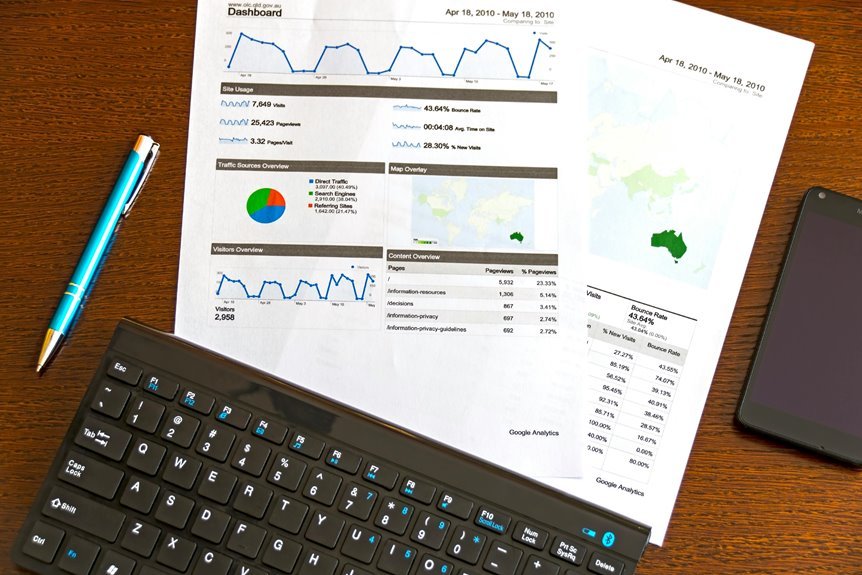
Corporate Performance Dashboard 3334432625, 644503781, 936461307, 285303183, 308804335, 658437021

The Corporate Performance Dashboard identified by codes 3334432625, 644503781, 936461307, 285303183, 308804335, and 658437021 represents a critical advancement in data visualization for organizations. By merging key performance indicators with sophisticated visualization techniques, these dashboards facilitate a clearer understanding of trends. This transformation of data into actionable insights raises questions about implementation challenges and the best practices that drive effective usage. What factors truly define a successful performance dashboard?
Understanding Corporate Performance Dashboards
Although the concept of corporate performance dashboards may seem straightforward, they encompass a complex integration of key performance indicators (KPIs) and data visualization techniques that facilitate organizational decision-making.
Effective dashboards translate performance metrics into visual formats, allowing stakeholders to grasp trends and insights quickly. This clarity empowers organizations to act decisively, fostering a culture of informed decision-making and enhanced operational freedom.
Key Features of the Advanced Dashboards
While many dashboards provide basic metrics, advanced dashboards incorporate several key features that significantly enhance their functionality and usability.
These include sophisticated data visualization tools that present complex information clearly, fostering user engagement.
Additionally, customizable interfaces allow users to tailor the dashboard to their specific needs, promoting a more intuitive experience.
Such features ultimately empower users to make informed decisions based on real-time data insights.
Benefits of Implementing Performance Dashboards
The implementation of performance dashboards offers organizations a strategic advantage by enabling data-driven decision-making.
Through effective data visualization, these tools facilitate real-time tracking of performance metrics, allowing for swift adjustments and informed strategies.
As a result, organizations can enhance operational efficiency, align resources effectively, and ultimately foster a culture of accountability, empowering teams to pursue excellence while maintaining operational freedom.
Best Practices for Utilizing Dashboards Effectively
Utilizing dashboards effectively requires a strategic approach that prioritizes clarity and relevance in data presentation.
Best practices include focusing on intuitive dashboard design that enhances user experience and employing data visualization techniques that facilitate quick comprehension.
Tailoring dashboards to specific audience needs ensures that the information is actionable, empowering stakeholders to make informed decisions and fostering a culture of transparency and accountability within organizations.
Conclusion
In the realm of data-driven decision-making, the Corporate Performance Dashboard stands as both a beacon of clarity and a labyrinth of complexity. While it simplifies the interpretation of performance metrics, it simultaneously demands a rigorous understanding of the underlying data. This juxtaposition highlights the delicate balance organizations must strike: leveraging the dashboard’s insights to drive excellence while remaining vigilant against the potential pitfalls of oversimplification. Ultimately, success lies in the astute navigation of this duality.